Running a business can feel like you against your paperwork. See all business types See how Xero can help businesses in your industry. Discover this year’s updates designed to help you save time, featuring powerful new tools and features you might’ve missed. With features and tools to save you time. As a Xero user, you can enjoy tailored offers to help your business thrive.
Every transaction is securely imported, categorized, and ready for you to reconcile – saving you tons of manual data entry every week. All your data is safe in the cloud for whenever you need it. Hit the ground running with Xero’s easy-to-use bookkeeping system. But you need a multi-factor authentication (MFA) app to log in to Xero.
Useful features to run your business
A series of guides on the technical side of running your business. By understanding what each involves, you can lay the right foundations for your business. Your introduction to accounting Here’s how to set up your business for success, starting with the basics.
There are three basic steps to setting up an accounting system. Xero has all sorts of resources on business and finance topics to help, all written in plain English for when you want clear, simple answers. Get help with your financial admin from experts whenever what does a bookkeeper do a simple explanation bench accounting you need it. Go digital with Xero – automating manual tasks and streamlining your financial admin – and win the battle!
Pricing plan details and offer terms
Keep your practice a step ahead with Xero accounting what are financial records definition and meaning software. Manage your finances, control cash flow and integrate with apps. Explore our accounting software. We’re committed to the security of your data and provide multiple layers of protection for the personal and financial information you trust to Xero.
Wherever you go, the mobile app keeps your small business growing. Take care of jobs with the Xero Accounting app and stay productive – from effortlessly tracking your mileage and expenses, to checking outstanding invoices. All pricing plans cover the accounting essentials, with room to grow. Purchase any Xero plan, and we will give you the first month free. Accounting software made for small businesses and solopreneurs
of customers agree Xero is easy to use
Log in anytime, from anywhere, to send invoices, pay bills, and manage your cash flow. Xero small business accounting software grows with you. Manage your cash flow, track expenses, accept payments online, and much more – all without leaving Xero.
Access special deals and discounts
You can add as many Xero organizations as you like, choose a pricing plan for each one, or set up a free 30 day trial. You will receive a reminder 7 days before your free month ends and then you will be charged for your second month and onwards. Use Gusto payroll to calculate pay and deductions, pay employees, simplify compliance, and update the Xero accounts. Transactions initiated by app partners may automatically contribute to your invoice limit. Xero can change or cancel this offer at any time. Xero subscriptions auto-renew monthly until they are cancelled.
Pull out your phone and use Xero’s bookkeeping app to scan and store receipts on the spot. Ask Xero to politely nudge your customers about an upcoming or overdue payment. Instead of creating each invoice from scratch, use templates with your branding and payment terms. Your info is always up to date, from a snapshot of your cash flow to in-depth business reports.
Check out the Xero App Store to find, demo, and buy business apps that connect to Xero. Keep track of your unpaid and overdue invoices, bank account balances, profit and loss, cash flow, and bills to pay. It’s easy to connect your bank so your transactions flow into Xero, and to create professional invoices from scratch.
Instead of creating each invoice from scratch, use templates with your branding and payment terms.
Apps like Stripe, GoCardless, Vend, and Shopify connect seamlessly and sync your data with Xero to make it easier to run your business.
Explore our accounting software.
Figure out if a mobile accounting app could help your small business.
Multi-currency accounting
You can also collaborate with social security and railroad retirement benefits other people, like accountants and bookkeepers, by giving them access to view and share your figures. Instead, Xero and your accountant complement one another. No – if you needed an accountant initially you’ll still need one. Accounting software like Xero does this work for you.
Get set up faster
You can pay it using Visa or Mastercard debit or credit cards, or by direct debit. We also have online articles, videos and training available. Give your team access to Xero’s software and invite your advisor to collaborate.
Going bigger and better with apps
Power up your knowledge and do more for your business with these guides, all written in plain English. Fast pay runs and reliable records mean you can hit deadlines without a hitch. Xero and Gusto partner to create an utterly smooth process for your payroll. All your expenses are kept securely in the cloud, ready for your financial reporting and tax deductions.
Second, decide which accounting method (cash or accrual) suits your business.
Effortlessly create and send professional invoices directly from Xero’s bookkeeping software.
Easily connect Gusto and see how the integration supports frequent data flow.
Pull out your phone and use Xero’s bookkeeping app to scan and store receipts on the spot.
Keep track of your unpaid and overdue invoices, bank account balances, profit and loss, cash flow, and bills to pay.
Xero automates many of the repetitive tasks that come with bookkeeping. You can then easily categorize and reconcile your transactions to keep an up-to-date record of your business’s income and expenses. Your accountant or tax professional can prepare for IRS filings with thorough, well-organized records. Your bookkeeper or accountant can access your Xero organization as part of your subscription. Learn the financial nuts and bolts
Xero reserves the right to change pricing at any time. Security is a priority for Xero, as we know it is for you, so it’s also important you also take steps to safeguard your data. We’re committed to protecting your data. That includes the chart of accounts, invoices, bills, contacts and fixed assets.
Simple business management software, powerful insights. Sign up to any Xero plan, and we will give you the first month free. You can import data from another accounting system in bulk via CSV files once you’ve done the initial set up in Xero. You can even reconcile bank accounts and convert quotes to invoices.
Easily connect Gusto and see how the integration supports frequent data flow. Offer your customers popular ways to pay you online.This helps streamline the payment process for your customers. Effortlessly create and send professional invoices directly from Xero’s bookkeeping software.
Explore Xero’s range of features, designed to streamline your accounting needs. Find out more about Xero’s commitments to data protection and data security. You’ll receive your invoice at the end of your monthly billing period. If an organization uses a different country edition, contact Xero Support so they can apply the discount manually.
What Is Reconciliation in Accounting? Process & Meaning
September 4, 2024
Failure to properly reconcile these transactions can result in materially misstated consolidated financial statements. Most businesses perform bank reconciliation monthly, though high-volume companies may reconcile weekly or even daily. Account reconciliations are important for maintaining financial integrity, as they help ensure that financial statements are trustworthy and audit-ready. Typically required monthly, this reconciliation is essential for maintaining financial integrity and regulatory compliance in legal accounting practices.
The process often reveals policy violations, missing receipts, or incorrect expense categorization that can impact tax compliance and budget accuracy. Credit card reconciliation is essential for corporate card compliance, expense management, and ensuring all business charges are properly documented and categorized. This type is particularly important for credit-based businesses, helping verify that customer payments match outstanding invoices and identifying collection issues early. Vendor reconciliation is crucial for maintaining strong supplier relationships and ensuring payment integrity, helping identify duplicate payments, missed invoices, or billing discrepancies.
Regulatory Compliance
An adequately recorded reconciliation ensures financial transparency and simplifies audits. After these adjustments, the final balance in your books should match the average irs and state tax refund and processing times external records. This ensures that you have accurate and complete data before starting the reconciliation. The primary objective of reconciliation is to identify and resolve discrepancies.
Financial automation
We’ve helped save billions of dollars for our clients through better spend management, process automation in purchasing and finance, and reducing financial risks. Automated reconciliation also flags discrepancies so they can be investigated immediately rather than months later. Though rare, it’s not unheard of that a bank or credit card company makes an error on your account, perhaps deducting funds for a check that isn’t yours, or charging you for a purchase that you never made.
Accounts receivable reconciliation is essential for ensuring the accuracy of customer account balances, detecting discrepancies, and maintaining reliable financial records. Customer reconciliation compares your accounts receivable ledger with invoice records and customer account statements. By proactively identifying and resolving these reconcile accounts discrepancies, businesses can ensure accurate financial reporting and minimize risks.
The entire procedure is performed monthly to ensure compliance with generally accepted accounting principles. This identical figure is the True Cash Balance, which is used as the correct cash asset value on the balance sheet. After all additions and subtractions are completed, the adjusted bank balance must equal the adjusted book balance. Conversely, any Interest debt financing: the definitive guide for small businesses Earned or notes collected directly by the bank on the company’s behalf must be added to the book balance. Subsequently, the total value of all Outstanding Checks is subtracted from the bank balance.
Confirm that cash receipts and deposits are recorded in the cash register and bank statement
The reconciliation process also validates inventory valuation methods and identifies obsolete or damaged goods requiring write-downs. Key accounts like fixed assets, accumulated depreciation, accrued liabilities, and deferred revenue require detailed rollforward schedules showing beginning balances, additions, reductions, and ending balances. This process is crucial for audit preparation and maintaining effective internal controls over financial reporting.
Intelligent financial automation solution
In the United States, the passage in 2002 of the Sarbanes–Oxley Act (SOX) has emphasized the need for balance sheet account reconciliation to be included within a company’s own procedures, not relying only on external auditors. GAAP provide different rules in regards to reconciliation to balance different types of accounts. Account reconciliation is an important internal control in the financial reporting process. This is done by comparing debit card receipts or check copies with a person’s bank statements. Reconciliation in accounting is not only important for businesses, but may also be convenient for households and individuals. Accounting software is one of a number of tools that organizations use to carry out this process thus eliminating errors and therefore making accurate decisions based on the financial information.
Other Common Types of Reconciliation
Different businesses require different reconciliation approaches depending on their industry, size, and transaction complexity. Let us help you simplify the reconciliation process with expert guidance and seamless solutions. Reconciliation in accounting is more than just a routine task—it’s a fundamental pillar of financial integrity. Accurate financial reconciliation is essential for maintaining a company’s financial health, ensuring compliance, and preventing errors or fraud. Errors in transaction recording can distort financial statements.
What is account reconciliation?
Human errors, such as data entry mistakes or overlooked transactions, can easily occur and lead to inaccurate records.
Maintaining complete and up-to-date financial records is essential for effective reconciliation and financial reporting.
While reconciling your bank statement would be considered a financial reconciliation since you’re dealing with bank balances.
After scrutinizing the account, the accountant detects an accounting error that omitted a zero when recording entries.
Reconciliation verifies that financial statements accurately reflect a company’s actual transactions.
This process ensures that every financial transaction is properly recorded and that the financial reports present a true and innovative tax relief fair view of the company’s financial position. Non-cash reconciliation often involves complex valuation calculations and regulatory compliance requirements that vary by item type. This includes reconciling credit card processor deposits, ACH transactions, wire transfers, and digital payment platforms. Discrepancies often indicate process breakdowns in receiving, shipping, or internal controls that require investigation beyond simple quantity adjustments.
Many companies have systems for maintaining payment receipts, account statements, and other data necessary to document and support account reconciliations. The important thing is to establish internal processes for account reconciliation and adhere to those processes. A business that processes a few transactions a month may be able to reconcile its accounts monthly, while a larger business with hundreds of transactions daily may need to reconcile its accounts more frequently. Regular account reconciliation should be combined with invoice reconciliation as part of your internal controls in accounts payable. Regularly reconciling your accounts, especially bank accounts and credit card statements can also help you identify suspicious activity and investigate it immediately, rather than months after it has occurred. Keeping your accounts reconciled is the best way to make sure that your balances are accurate and an important part of ensuring adequate financial controls are in place.
Reconciling accounts and comparing transactions also helps your accountant produce reliable, accurate, and high-quality financial statements. Your first step to prepare for a thorough account reconciliation is to compare your internal account register to your bank statement. For example, when you complete a bank reconciliation, you’re reconciling your ending bank balance with your ending general ledger balance to ensure that the two totals match, while finding and resolving any discrepancies found during the reconciliation process.
And if you never reconcile your accounts, chances are that fraudulent activity will continue.
The company uses the bank statement as its source document to record these previously unknown transactions.
Account reconciliations are important for maintaining financial integrity, as they help ensure that financial statements are trustworthy and audit-ready.
Account reconciliation is more important than just ensuring the numbers on statements are correct; it’s about financial health.
Depending on your business, you may also want to reconcile your inventory account, which is typically completed by doing a complete accounting of all inventory on hand.
Keeping your accounts reconciled is the best way to make sure that your balances are accurate and an important part of ensuring adequate financial controls are in place.
Once all adjustments are made, it is important to document the reconciliation process. To ensure accuracy, adjust the recorded balances to reflect actual financial activities. After collecting the necessary documents, the next step is to compare the recorded transactions in the company’s financial system with external records.
This process ensures that your cash records align with the bank statement and helps maintain accurate financial reporting. Ultimately, a robust account reconciliation process is essential for producing accurate financial records and maintaining trust in your financial reporting. During the reconciliation process, any discrepancies between your records and external financial statements are investigated and resolved. The account reconciliation process is fundamental to maintaining accurate financial records and ensuring your books align with external financial documents.
Fixed assets typically have a debit balance, while accumulated depreciation carries a credit balance; reconciling these balances is important to ensure the accuracy of the financial statements. Performed typically at month-end, quarter-end, or year-end, balance sheet reconciliation verifies that all balance sheet accounts are properly supported and accurate. The process often reveals posting errors, miscoded transactions, or missing journal entries that can significantly impact financial reporting accuracy. General ledger reconciliation involves creating detailed supporting schedules for each general ledger account, particularly for balance sheet accounts that carry forward balances from period to period. Intercompany reconciliation is essential for companies with multiple subsidiaries or those involved in mergers and acquisitions, ensuring elimination of internal transactions in consolidated statements.
AP Automation & Invoice Processing
A well-maintained reconciliation process reassures stakeholders of the company’s financial health. Transparent and accurate financial statements enhance credibility with investors, lenders, and regulators. Accurate records help avoid penalties, audits, or legal issues arising from financial misstatements. Financial reconciliation ensures businesses comply with tax laws, financial reporting standards, and regulatory requirements.
Reconciliation in Accounting: Definition, Types, and Process
A timing difference occurs when one party has recorded a transaction while the other party has not yet processed it. Organizations can mitigate many of these disadvantages by leveraging automation, streamlining processes, and training staff effectively. It helps track revenues and expenses accurately, ensuring that profits aren’t overestimated and costs aren’t underestimated.
A simple breakdown of QuickBooks Online pricing 2025
May 27, 2024
The valuation method impacts the balance sheet value of inventory and the COGS expense flow to the income statement. With Method, you can focus on growing your business, not your stress. What’s more is that Method’s mobile app is perfect for businesses on the move. Plus, the platform offers customization options to adapt QuickBooks to your unique needs. Thanks to its two-way, real-time sync with QuickBooks, Method ensures a smooth and hassle-free process with zero double data entry.
Recording Cost of Goods Sold
Its yearly cost makes sense only for those who rely on those specialized features or already have internal IT support to manage installation and updates. Like most software nowadays, whether cloud-based or desktop, you’re going to pay a subscription fee no matter which route you take. If your business already runs through modern online tools, QuickBooks Online fits right in. Below, we compare the features small business owners ask about most and pick winners. As tax season quickly approaches, there’s no better time than now to kickstart your financial journey with QuickBooks. However, given the software’s overall very intuitive nature, and its beginner-friendly setup guide, you likely won’t run into too much trouble using it.
Related Pricing Changes
Do also keep in mind that you can make a saving if you opt to pay annually instead of monthly! Not having to pay a significant amount upfront should also help your cash flow, something that’s hugely important for small businesses. QuickBooks is only available with a subscription—you’ll pay for it on a monthly or yearly basis—but there’s no minimum term or contract to sign, so you’re free to stop using it whenever you want. While this kind of functionality may not be necessary for small businesses that are just starting out, as your business scales and demands more advanced abilities, you might need to upgrade. For example, one of its standout features is its custom user permissions, which allows you to control access to sensitive financial information. However, if you want bill management tools or multi-currency support, you’ll need to bump up to the Essentials or Plus plan.
April (or accounting season) is round the corner, so now’s the time to switch accounting software – or upgrade your plan. QuickBooks actually offers five plans to choose from, with prices ranging from £10 per month to £115 per month, and right now you can get 90% off for seven months on any plan. Gusto offers affordable payroll services with basic reporting, onboarding, and health insurance administration with all of its plans. These plans do not include QuickBooks Online accounting software. All of the QuickBooks Online Payroll pricing plans include full-service payroll. Essentials includes all of these features, allows you to connect up to three sales channels, includes three users, and offers bill management and time entry.
The Complete Guide To QuickBooks Online Payroll Pricing
However, new users can still purchase the Enterprise edition of Desktop.
Add-ons to the basic software cost, including optional set-up help and payroll features, are shown at the same QuickBooks Online pricing plans link.
It tops our best payroll software list as the best overall payroll software for small businesses.
Discover why hiring a medical virtual assistant from LATAM offers unmatched benefits for U.S. healthcare companies.
More cost-effective than current software with more functionality Price is not that expensive although the users that you can add are limited, if we need to add a user Small businesses with more complex accounting needs.
Carefully reviewing these reports provides greater insight into item-level costs and usage trends to optimize your inventory management. Finally, this section will illustrate how to leverage QuickBooks’ built-in inventory reports to gain visibility into inventory costs. This will allow you to capture all inventory-related costs to accurately calculate profitability. This will create a COGS account that accumulates the direct costs attributable to inventory sold, like material and why do alcoholics lie labor costs. The average method simplifies record-keeping but may result in over- or under-valued COGS if costs fluctuate significantly over time. With the FIFO inventory method, COGS aims to match actual costs of producing inventory sold.
QuickBooks Online Pricing
QuickBooks Payroll comes at an additional cost. Opt for a QuickBooks plan that fits your business needs, and stay away from extra bells and whistles to avoid paying for unneeded extras. On the other hand, QuickBooks Desktop offers a more traditional solution for complex accounting needs.
In our most recent round of testing, QuickBooks emerged as one of our top recommendations for the best accounting software for small businesses. Our experts recommend Xero’s accounting software for small businesses. There are additional add-ons, such as health benefits, 401(k) plans, and college savings plans, that invoice for a freelance designer you can sign up for as well.
QuickBooks Online Payroll Core + Essentials
The different tiers of users’ permissions change what is accessible. Users can also access payroll reports, while the exact permissions level is determined by leadership. QuickBooks prides this software on its automation. The 25 user cap supports an extensive accounting department, and use by others in your organization. The Advanced plan is for those who can take advantage of the analytics tools available and have the size to require them.
Gusto VS QuickBooks Payroll Comparison
If you don’t have the time it takes to really get your head around this type of thing, a simpler software option like FreshBooks might be more your speed. What’s also great about QuickBooks is that it can offer you assistance in transitioning out of your contract with your current accounting software provider, if you have one. There are no hidden fees lurking for premium features or extra storage, so you won’t be in for any nasty surprises. Its advanced features and scalability make it an ideal choice for growing businesses that need a comprehensive and sophisticated financial management solution.
When considering, “How much does QuickBooks cost per year? QuickBooks Online values its premium offerings higher with the Plus plan. Note that QuickBooks excludes advanced analytics from the basic yearly plan. Let’s explore each plan to determine which fits your accounts best!
This tier is great for small businesses owners who want to have comprehensive finance tools at a reasonable cost. In addition to the tax estimation from the Freelancer plan, this level allows you to maximize your deductions. For those with less experience, or who may have to access from any location, any of these plans will be accounting coach cash flow statement a good fit. We also have a piece comparing the features of QuickBooks Online to desktop versions, QuickBooks Desktop Pro and QuickBooks for Mac. The Intuit Payments Standard Pricing Schedule advises that additional ACH per-transaction fees may be charged when applicable. Intuit Merchant Services offers ACH electronic bank payments.
This comparison is for current Desktop users evaluating a switch and outlines how the two differ.
Here are a few of our top choices for payroll software that are cheaper than QuickBooks Online Payroll.
At £33 + VAT per month (or £356 + VAT per year), the Essentials plan is aimed at small businesses that have multiple employees, work with suppliers and do business overseas.
For more than a decade, she’s helped small and medium sized businesses scale their companies.
The video below is a full tutorial guide on using the software.
Choose a plan that aligns with your operations and budget to ensure a meaningful return on investment (ROI).
Comparing QuickBooks Cost of Goods Sold vs Expense
QuickBooks’ Plus plan, priced at £47 + VAT per month or £507 + VAT per year, has a lot to offer for SMEs that are managing projects and stock. While you’d pay a bit more (£16 + VAT per month, or £172 + VAT per year) than you would for the Sole Trader plan, you’ll be able to submit VAT directly to HMRC, and you’ll also get a helpful error checker. QuickBooks’ Simple Start plan is a great fit for many small businesses.
It tops our best payroll software list as the best overall payroll software for small businesses. The tax penalty protection at the Elite level is a great added layer of security, and it comes partnered with a white glove/curated experience for business owners short on time. At the Core pricing level, the automated tax filings, basic reporting features, and basic benefits management programs are enough to help a small business with a handful of employees. Finally, consider your budget and how the best financial management platform can help you save time and costs while improving efficiency. From payment processing to payroll and HR support, make sure you assess the costs involved in the third-party options you choose. QuickBooks offers clear pricing tiers for every version and add-on option.
This tier also adds features to track project status. One fantastic feature added in this level is the inventory tracking system. In addition to the added features, it increases the user limit to 5. “We use QuickBooks Online to keep accounting for sales, organize expenses, payments, etc. In summary, if you need more expansive use of the previous Quickbook features, or find the added features essential, this is the tier for you. Reporting features are more advanced in this plan.
What Fees are Associated with QuickBooks?
If you’re evaluating or currently using QuickBooks as your accounting software, have you considered including fees in your budget? Desktop still allows multiple users, but only through a local network setup or hosted environment that costs extra and takes more effort to maintain. It has no additional cost to you, and never affects the editorial independence of our reviews.
With QuickBooks’ pricing plans, what you see is what you get. If your businesses has more complex requirements, QuickBooks’ Advanced plan—its most expensive, at £115 + VAT per month or £1,242 + VAT per year—will be what you’re looking for. At £33 + VAT per month (or £356 + VAT per year), the Essentials plan is aimed at small businesses that have multiple employees, work with suppliers and do business overseas. Right now you can either get the first six months of a monthly plan at a reduced cost, or you can get the first year on an annual plan incredibly cheap. It also offers a wide range of plans, with five tiers in total. QuickBooks pricing starts from £10 per month + VAT for the Sole Trader plan and goes all the way up to £115 per month + VAT for the Advanced plan.
Instagram sur PC passer d’un compte à l’autre Instagram
April 30, 2024
What is Depreciation and How to Calculate Its Tax Shield Effect in Your Capital Budgeting Analysis
April 14, 2022
For example, assets with a useful life of 5 years or less, such as office equipment, can be depreciated over 5 years. The MACRS method provides a range of depreciation periods for different types of assets, from 3 to 20 years. For example, the child tax credit deducts up to $2,000 per dependent age sixteen or younger. In addition, paying for childcare can net you $3,000 for one dependent twelve or younger and $6,000 for two or more dependents. By comparing the above two options calculated, we concluded that the present value in the case of buying by taking a tax shield is lower than the lease option. Based on the information, do the calculation of the tax shield enjoyed by the company.
Lowers Overall Tax Liability
Given that the interest generated from debt is tax-deductible, it makes debt servicing easier for businesses. Note that there is a significant impact when companies add or remove tax shield, therefore, most business owners will always consider their optimal capital structure. Company management might see the depreciation tax shield as a way to invest in new assets. The tax savings can be significant enough to partially fund the purchase of new equipment, thus supporting the company’s growth and operational efficiency. Accountants view the depreciation tax shield as a critical component of financial statements.
In the realm of economics, fiscal policy stands as a formidable tool, akin to the rudder of a ship,…
Managing fixed assets is a crucial aspect of any organization’s financial management strategy….
From an accountant’s perspective, depreciation is about accuracy in financial reporting.
To illustrate, consider a company that has the option to purchase either a traditional piece of machinery or a more expensive, energy-efficient model.
Yes, there are certain rules and regulations that companies must follow when claiming depreciation expenses, such as using the correct depreciation method and adhering to the useful life of the asset.
To see how this formula is used, let’s take the following example where a company has $100,000 in depreciation expense and an effective tax rate of 20%.
By understanding its nuances, companies can navigate the complex terrain of taxation, optimize their capital structure, and gain a competitive edge.
Formula
This financial maneuver, known as a tax shield, leverages the non-cash deduction of depreciation to conserve cash flow while complying with tax regulations.
To illustrate, let’s consider a company that purchases a new piece of equipment for $100,000.
By understanding and utilizing the concept of depreciation, businesses can effectively lower their taxable income, thereby reducing their overall tax burden.
It refers to the potential tax savings that a company can enjoy by utilizing certain tax deductions and credits.
It provides businesses with a valuable opportunity to enhance their cash flow by retaining a higher portion of their earnings, fueling potential growth and investment opportunities.
Assuming a straight-line depreciation method, the business can deduct $5,000 ($50,000 divided by 10) from its taxable income each year for ten years as a depreciation expense.
Remember, these examples are based on gross vs net general principles, and specific situations may vary. To master the art of Excel, check out CFI’s Excel Crash Course, which teaches you how to become an Excel power user. Learn the most important formulas, functions, and shortcuts to become confident in your financial analysis. Tax shields can increase a company’s earnings per share (EPS), which generally has a positive impact on a company’s stock price and valuation multiples like the price-to-earnings (P/E) ratio. Content archiving is a critical process in the lifecycle of content management, especially when it…
Straight-Line vs Accelerated Depreciation – Valuation Impact
For example, a business that purchases a $100,000 piece of equipment can depreciate it over five years, claiming a $20,000 tax deduction each year. Where we is the weight of equity, ke is the cost of equity, wd is the weight of debt, kd is the pre-tax cost of debt (i.e. its yield to maturity) and t is the tax rate. Capital budgeting involves analyzing and assessing potential projects or investments to determine their feasibility and profitability. It helps businesses allocate their financial resources efficiently and make informed decisions regarding long-term investments. Understanding Capital Budgeting Projects is a crucial aspect of financial decision-making for businesses. In this section, we will delve into the intricacies of capital budgeting and explore its significance in evaluating investment opportunities.
The fluctuation of depreciation rates presents a limitation to depreciation tax shield, as changes in rates can affect asset management decisions and the valuation of corporate assets. Depreciation tax shield is limited to tangible assets, as intangible assets do not undergo physical wear and tear, impacting the recognition of depreciation expense and adherence to accounting standards. Commercial entities extensively tend to outsource their tax returns task to tax firms. These independent tax firms keep themselves update to deal with all tax related matters and have special expertise in preparing tax returns for almost all types of companies and individuals. They evaluate all permissible depreciation methods and choose the one that results in maximum depreciation tax shield for the tax returns of their client company. Similarly, the depreciation tax shield increases as the amount of allowable depreciation increases.
Depreciation serves as a pivotal component in the strategic management of a company’s tax liabilities. By understanding and utilizing the concept of depreciation, businesses can effectively lower their taxable income, thereby reducing their overall tax burden. This financial maneuver, known as a tax shield, leverages the non-cash deduction of depreciation to conserve cash flow while complying with tax regulations. From the perspective of a CFO, the depreciation tax shield is a key tool in financial planning, allowing for the deferral of tax payments and the reallocation of funds towards investment or debt reduction. Conversely, tax authorities scrutinize depreciation methods to ensure compliance and fairness in the tax system. This type of expenditure allows the company to allocate the cost of the machine over its useful life, providing tax benefits through the depreciation tax shield.
This concept is crucial for businesses as it affects both the balance sheet and the income statement, ultimately influencing a company’s financial health Grocery Store Accounting and tax liability. From a financial perspective, depreciation impacts cash flow, investment strategies, and decision-making processes. It also plays a significant role in tax planning, as depreciation can be used as a tax shield to defer income taxes, thereby protecting profits.
At its core, a tax shield refers to the reduction in taxes that a company can achieve through the use of various deductions and credits.
The total value of a tax shield is going to depend on the tax rate of an individual or corporation and their tax-deductible expenses.
On the income statement, depreciation reduces a company’s earning before taxes (EBT) and the total taxes owed for book purposes.
The Depreciation Tax Shield is a key component of financial and accounting industry strategies.
This can result in significant tax savings, especially for businesses that purchase expensive assets like equipment or property.
Tax Shield is a crucial concept in capital budgeting that plays a significant role in maximizing the value of a firm.
Strategic financial planning with depreciation is a nuanced process that requires careful consideration of various factors. It’s not just about calculating deductions but also about understanding how these deductions can be optimized to support the broader financial goals of the entity. By leveraging the depreciation tax shield effectively, businesses can enhance their cash flows and create a more robust financial plan. It’s a testament to the adage that in business, it’s not just about how much you make, but how depreciation tax shield much you keep after taxes. Therefore, each year, the company would save $2,700 in taxes due to the depreciation expense.
How To Calculate?
Therefore, it is important to understand the formula used to calculate depreciation tax shield, as given below. A tax shield refers to an allowable deduction on taxable income, which leads to a reduction in taxes owed to the government. Such allowable deductions include mortgage interest, charitable donations, medical expenses, amortization, and depreciation. These deductions reduce the taxable income of an individual taxpayer or a corporation. By understanding and leveraging this concept, businesses can improve their financial performance and gain a competitive edge in their respective industries.
By understanding the nuances of tax laws and depreciation methods, businesses can wield this ‘tax shield’ effectively to protect and enhance their profits. In summary, the tax shield effect of depreciation enhances cash flows, improves NPV, and plays a vital role in capital budgeting decisions. Businesses must carefully consider depreciation methods and their impact on tax savings when evaluating investment opportunities. The term “Tax Shield” refers to the deduction allowed on the taxable income that eventually results in the reduction of taxes owed to the government. The formula for tax shields is very simple, and it is calculated by first adding the different tax-deductible expenses and then multiplying the result by the tax rate.
The Landscaping Bookkeeper provides bookkeeping services to lawn care business owners across the United States
September 30, 2021
The balance sheet shows your company’s assets, liabilities, and equity at specific points in time. Key indicators include equipment values, accounts receivable aging, and current asset levels relative to operational needs. This level of expense tracking improves bidding accuracy and identifies cost reduction opportunities across your specific business needs. Choosing between cash and accrual accounting depends on your company’s size and how you truly operate. Cash basis accounting is simpler to implement, making it suitable for smaller operations focused Suspense Account on maintenance work. Users can also export their accounting data to other bookkeeping and accounting systems.
Must Haves Accounting Software for Landscape Businesses
Regular reviews not only catch errors early but also provide insights into the financial health of your landscaping business. Use this time to assess your budget, track performance against goals, and make any necessary adjustments to your financial strategies. Landscaping businesses often require significant investments in equipment, materials, and labor.
Property Management
Aspire simplifies financial management by automating invoicing and expense tracking, reducing manual work, and ensuring accuracy. Outstanding invoices are easy to see with color-coded status indicators so you can follow up quickly and maintain cash flow. You can also generate bulk invoices for recurring services or large projects, saving time. Link your business management software to your bookkeeping software for data fidelity across systems. Use Aspire’s real-time reporting dashboards to track job profitability and real-time expenses. Aspire works well for landscaping businesses because it integrates customer management with job costing, scheduling, and accounting specifically designed for landscape operations.
Recording Income from Services
We further do not endorse, condone or verify any products, statistics, or information posted on our Services. You are responsible for all transactions (one-time, recurring, and refunds) processed through the Services and/or Stripe. Yardbook is not liable for loss or damage from errant or invalid transactions processed with your Stripe account. This includes transactions that were not processed due to a network communication error, or any other reason. If you process a transaction, it is your responsibility to verify that the transaction was successfully processed.
Steady Flows: Cash Flow Management for Construction Companies
They also ensure legal compliance and can reveal opportunities for reducing costs and increasing efficiency.
Partnering with Advantage Accounting & Tax enhances your business’s efficiency and provides valuable insights into your finances.
On the other hand, traditional accounting involves employing an in-house accountant or team to manage financial tasks on-site.
Our experienced team understands the unique financial challenges faced by landscaping businesses, from managing seasonal cash flow to dealing with equipment expenses and labor costs.
Many businesses don’t fully understand the complexities of their tax obligations or financial transactions, and that’s ok.
In the lush and dynamic world of landscaping, where creativity meets the earth, maintaining a thriving business requires more than just a green thumb.
It has multiple functions that could help you run your entire business, such as https://www.bookstime.com/ accounting features, housing customer information, and a CRM. Once your business has enough activity that running payroll takes up time, energy, and effort that you can’t prioritize over other aspects of running your landscaping business, it’s time to hire a payroll service. CSI Accounting & Payroll offers a small portfolio of specialized services that we believe are critical to the success of landscaping companies. Unlock the fundamental principles of debits and credits with Performance Financial. Learn how these core concepts form the backbone of accurate bookkeeping and financial management. Discover how epoxy garage floor contractors are scaling past 6-figures with these 7 proven strategies.
Centralized data to protect financial integrity
The primary difference between cash and accrual accounting comes down to timing. It provides an ideal solution for companies with limited administrative staff or mid-size companies desiring to automate their operations effectively. CLIPitc is best suited for lawn care and landscaping contractors, especially those requiring batch billing. Ultimately, Kickserv is a temporary solution for small businesses that will need to implement another platform as their team size and operational demands grow. In this guide, you will find a comparison of the top 10 landscape software solutions with accounting integrations.
Do you already have a yardbook account?
Many landscaping businesses start with accounting software like QuickBooks, FreshBooks, or Xero, thinking it will handle everything. While these programs are useful, they still rely on you to keep them up to date. That means entering transactions, deciding how to categorize them, checking for accuracy, and making sure the numbers match your bank records. Without consistent attention, small errors can add up and give you an incomplete picture of your finances.
If you wish to deactivate your account, please email us at email protected, but note that we may retain certain information as required by law or for legitimate business purposes. We may also retain cached bookkeeping for landscaping business or archived copies of information about you for a certain period of time. To request removal of your PII from testimonials, contact us at the email address listed above. We will retain and use your information to comply with our legal obligations, resolve disputes and enforce our agreements. Other than as provided in this Privacy Statement we do not collect or use your PII. We do not control any third party’s collection of your PII, including third parties that advertise on our Services or when you access a third-party site through our Services.
Self-Employment Taxes: What You Need to Know
Regularly track and analyze KPIs to make informed decisions, refine your business strategies, and ensure that you’re on the path to achieving your financial objectives.
Pay your suppliers and contractors on time to maintain positive relationships and avoid late fees.
You want to make business decisions like investing in more assets and hiring employees, but the fear of your business failing keeps you up at night.
Firms like landscaping or other businesses need accounting software to ensure efficient work compliance, reduce human errors, and avoid rambling through paperwork.
Our 100% virtual accounting services are available to landscapers and lawn care business owners anywhere in or outside Wisconsin.
Whether you’re new to online accounting software or just need help getting the most out of your current setup, we can help.
Stay informed about any updates or changes in tax laws that may impact your landscaping business, and leverage technology to adapt seamlessly to evolving tax requirements. In the lush and dynamic world of landscaping, where creativity meets the earth, maintaining a thriving business requires more than just a green thumb. As a landscaping entrepreneur, it’s crucial to cultivate financial stability and growth through effective bookkeeping practices. In this blog, we’ll delve into the significance of bookkeeping for landscaping businesses and explore how it can be the key to blooming success. It’s common for landscaping businesses to fall behind on bookkeeping, especially when the schedule is packed with client work.
5 Must-Have Accountant Services for Startups
September 29, 2021
We’ll help you navigate complex financial decisions and optimize your financial operations. Outsourced bookkeeping for startups implements robust financial systems customized to the startup’s needs. This leads to better financial management and a strong foundation for scaling.
How Much Do Most Tax Preparers Charge?
It is at this point that external accounting firms specializing in startups step in. Fractional CFO services offer high-level financial guidance on a part-time basis, which can be a cost-effective alternative to hiring a full-time CFO. In 2024, fractional CFO services for startups typically cost between $ 80 and $150 per hour. This option provides expert financial insights and strategic planning without the full-time cost. Startup bookkeeping means keeping track of all your financial transactions. Good bookkeeping is important because it helps you organize your financial data.
Pricing Designed for Startups at Every Stage
Note that cheaper options might cost more long-term if they lack vital services for your business model. Accountancy Cloud delivers boutique financial expertise that caters to https://www.theclintoncourier.net/2025/12/19/main-advantages-of-accounting-services-for-startups/ startups and scale-ups looking to direct their growth journey. This tech-forward service has operated for more than a decade and blends individual-specific service with cloud innovation. The company connects businesses with Filipino accounting professionals.
The team builds strong connections in the entrepreneurial community by sponsoring incubators, mentoring founders, and joining hackathons.
Acuity provides full-cycle accounting services, including bookkeeping, forecasting, payroll, and compliance, to startups in the U.S.
As your business grows, you need to look beyond basic revenue and profit.
The actual customer stories will reveal the effectiveness of the support a firm provides to other startups.
Freshbooks accounting software features bookkeeping and accounting tools to help you manage your startup finances.
Cloudstaff Accountants
The virtual CPA firm serves small businesses in a variety of industries. Their knowledge covers e-commerce, entertainment, food & beverage, personal care, professional services, retail, and transportation sectors. This experience has helped them develop deep insights into industry-specific deductions and compliance needs.
Consider in-house accounting if you have complex financial needs or prefer having a team working directly with you.
Look for a firm that has a proven track record with businesses like yours.
While some businesses opt for an in-house or staff bookkeeper, online bookkeeping typically provides the same service at a fraction of the cost.
By partnering with us, startups can focus on growth while we help them successfully navigate the complex startup financial landscape.
Each client gets their own private cloud setup with dedicated success managers and top-tier service level agreements.
From claiming R&D tax credits to accurately projecting cash burn, the Kruze team is ready to support your healthtech company. It gives founders the confidence to speak clearly about performance, growth, and future plans. It Main Advantages of Accounting Services for Startups also helps investors trust you know what you’re doing—and that you’re in control of the business, not just reacting to it.
Whether you’re preparing for a board meeting, sending a monthly update to VCs, or prepping for your next round—investors expect clarity, accuracy, and insight. And when your numbers are vague, outdated, or cobbled together at the last minute, those conversations become nerve-wracking. Whether you’re a startup or scaling to an IPO, our services evolve with you.
The right structure depends on your income level, growth plans, and ownership structure.
Their team creates robust accounting systems to track transactions and provide in-depth analyzes of your startup’s financial health.
The method you choose impacts everything from your tax obligations to the story you tell investors during a funding round.
When you’re deep in product development or securing your next round of funding, the last thing you want is to be blindsided by cash flow issues or compliance complications.
One of the most crucial decisions a startup should make is selecting the appropriate accounting firm.
Their dashboard is easy to use, thus providing founders with updated reports and clean financial records at all times.
What do debit and credit mean in accounting terms?
June 7, 2021
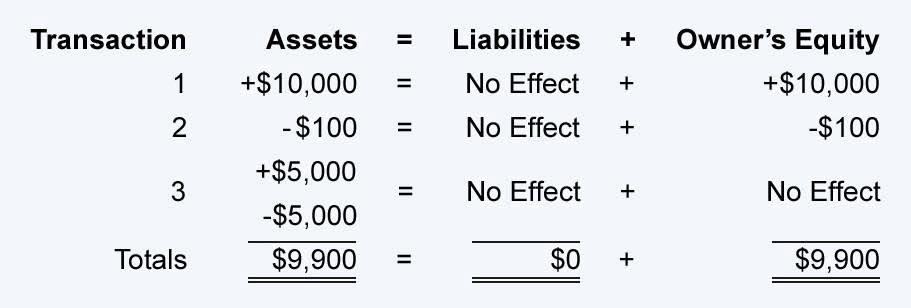
Upon repayment to its supplier, the company will credit its bank account with $2,500 as the cash at the bank (an asset) decreases. At the same time, the firm will debit the creditor’s account since it eliminates liability. The accounting equation remains balanced because one asset (equipment) increases, and another asset (cash) decreases by the same amount. In the realm of financial systems, the concepts of debit and credit form the bedrock of accounting practices. These terms aren’t merely archaic bookkeeping jargon; they represent a fundamental duality that underpins the integrity and auditability of financial data.
The left hand side is commonly referred to as debit side and the right hand side is commonly referred to as credit side.
This double-entry system shows that the company now has $20,000 more in cash and a corresponding $20,000 less in books.
It also serves as a proof of the transaction for both the buyer and the seller.
The terms originated from the Latin terms “debere” or “debitum” which means “what is due”, and “credere” or “creditum” which means “something entrusted or loaned”.
If the rented space was used to manufacture goods, the rent would be part of the cost of the products produced.
Equity is the owner’s share, or the value left after subtracting liabilities from assets.
Gujarat HC Upholds Reassessment Based on Bogus Entry Information
For example, the cost of salaries, the cost of advertising, or the cost of equipment purchases. These practices contribute to improved financial stability, better decision-making, and long-term success in the dynamic marketing industry. A debit is an entry on the left side of an account in a ledger. It’s like a scale that always stays even, making sure every penny is accounted for. There are a few ideas about what the letters DR and CR stand for when they stand for debit and credit. One theory says that the DR and CR emerge from the Latin words debere and credere, which are the present active forms of the debits and credits words debitum and creditum.
What are Debit and Credit Rules
Essentially, a debit recording transactions increases the balance in a debit account, while a credit increases the balance in a credit account. Understanding the principles of debit and credit accounting is crucial for anyone in the accounting field. Whether you’re running a sole proprietorship or a public company, debits and credits are the building blocks of accurate accounting for a business. Debits increase asset or expense accounts and decrease liability accounts, while credits do the opposite. As your business grows, recording these transactions can become more complicated, but it is crucial to do it correctly to maintain balanced books and track your company’s growth.
Expenses
Plus, you’ll have the peace of mind knowing your books are accurate and ready for tax time. QuickBooks does a lot of the work, allowing you to cut back on the full cost of an accountant. To find imbalances, search for a transaction that’s half the value of the imbalance. You may have accidentally posted a debit as a credit or vice versa.
In the following example of a firm’s general ledger, the asset side of its Balance Sheet contains cash, accounts receivable, inventory, and property plant and equipment.
Debits ensure transparency and proper classification of financial transactions.
Accumulated Depreciation is a contra-asset account (deducted from an asset account).
Revenue accounts are accounts related to income earned from the sale of products and services.
If you want to see more, we go through 11 bookkeeping examples in another post.
An accountant would say you are “crediting” the cash bucket by $600. When your business does anything—buy furniture, take out a loan, spend money on research and development—the amount of money in the buckets changes. You can also share your bookkeeping with your accountant instantly without worrying about duplication errors, data lags or inaccuracies. When they rise, we debit them; when they fall, we credit them. When you’re a Pro, you’re able to pick up tax filing, consultation, and bookkeeping jobs on our platform while maintaining your flexibility.
Real Account
A debit on the bank statement means money leaves the bank account. Equity decreases with debits, such as when the owner withdraws money or when the company has losses. Current liabilities, like accounts payable, are due within a year. Long-term liabilities, like mortgages, are paid over a longer time.
Normal balance is a double entry accounting term that describes how an account is increased.
Let’s say your mom invests $1,000 of her own cash into your company.
You record this transaction as a debit in the Asset account and increase the revenue account with a credit.
Instead, they reflect account balances and their relationship in the accounting equation.
This system, known as double-entry accounting, has been used since the Renaissance and remains the foundation of modern accounting practices worldwide.
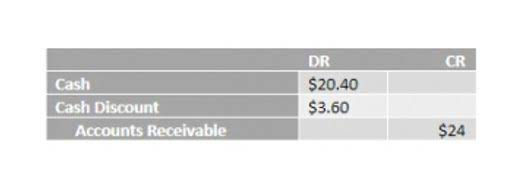
If a company buys supplies with cash, the supplies account (an asset) increases with a debit. The cash account (also an asset) decreases with a credit because money was spent. Credits increase the amount owed in liability accounts, and debits decrease it.
The majority of activity in the revenue category is sales to customers. This shows cash increasing by $500 and revenue increasing by the same amount. Debits add value to some accounts and subtract from others, depending on the account type. Here’s how Sage AI-driven AP automation and outlier detection can support your accounting. Contra accounts reduce the value of a related account without altering the original account directly.
As you continue to practice and apply these concepts, remember that even experienced accountants occasionally need to think through complex transactions step by step. The goal isn’t to memorize every possible scenario, but to understand the underlying principles well enough that you can work through any transaction logically and systematically. From payment processing to foreign exchange, Chase Business Banking has solutions and services that work for you.
The corresponding account, such as accounts receivable (if the sale was on credit) or cash (if the sale was in cash), is debited. The rules of debit and credit are fundamental guidelines in accounting that determine how each transaction affects accounts. These rules are based on the classification of accounts as assets, liabilities, and equity. For example, when a business makes a sale for cash, it records a debit to the cash account (increasing assets) and a credit to the revenue account (increasing equity). This reflects the increase in cash (an asset) and the recognition of revenue (equity). Understanding the fundamental concepts of “credited” and “debited” is crucial for both banking and accounting.
Strategic Tax and Business Consultants Minneapolis, MN
May 26, 2021
An accountant prepares reports for tax purposes and can also perform audits of public companies. Common tasks include creating budgets, analyzing profits and losses of a company, processing payroll, preparing financial statements for company leadership, and creating and maintaining financial what are retained earnings database systems for a company. Accountants do not automatically have a Certified Public Accountant (CPA) designation unless they have passed the Uniform CPA Examination and received the proper license.
View or download your financial data and bookkeeping records at any time with our online client portal.
Whether you’re dealing with insurance or increasing add-on sales, partner with a seasoned firm.
We’re proud to be among the 50 fastest-growing firms in the Twin Cities.
As experts in nonprofit accounting, we deliver audit-ready financials every month with a clean audit guaranteed or your money back.
This ecosystem of nonprofits thrives on collaboration and innovation, continually adapting to serve the ever-changing needs of its residents.
Our partnership with OneDigital integrates best-in-class accounting/tax consulting with top-notch wealth advisory services.
Bookkeeping
John A. Knutson & Co, PLLP is a Twin Cities-based accounting firm serving individuals and businesses throughout Minnesota and beyond. Experienced staff members are committed Suspense Account to providing personalized accounting services for clients of all sizes. They specialize in helping clients within the construction, retail/wholesale, service, real estate, and manufacturing industries.
Integrated Accounting Solutions
Schwab has agreements with Boyum Wealth Architects under which Schwab provides Boyum Wealth Architects with services related to your account. bookkeeping services minneapolis Schwab does not review the Boyum Wealth Architects Website, and makes no representation regarding the content of the Website. The information contained in the Boyum Wealth Architects Website should not be considered to be either a recommendation by Schwab or a solicitation of any offer to purchase or sell any securities. Our holistic approach to managing taxes ensures an integration of business and personal goals. Investment advisory services are offered through CliftonLarsonAllen Wealth Advisors, LLC, an SEC-registered investment advisor. If you have been planning to attain your 2-year degree or a certificate in accounting, learn about accounting or its software, or transfer to a 4-year university, you have come to the right place.
Tax Accounting for Construction Contractors
We provide a wide range of traditional and specialized services such as risk advisory, fraud and forensics and IT consulting.
Your team of M&A advisors will guide and support you through every stage of the transaction lifecycle—from strategy to transaction advisory to integration.
When you turn to us for accounting, bookkeeping, and tax services, we’ll become your trusted advisor and a valuable resource for your business.
Don’t miss out on profits or get penalized because you’re trying to manage your own books.
Welcome to BGM – a nationally recognized collective of entrepreneurial-minded advisors who leverage a full suite of financial services to provide present tense impact and future focused growth. View or download your financial data and bookkeeping records at any time with our online client portal. With our financial record keeping, stay on top of your finances, keep track of your progress, and continue to increase revenue. In 2014, we established the RSM US Foundation as part of our giving strategy and to support our stewardship value. As a firm and individually, we give back to our local and global communities through leadership, financial support and volunteering.
From healthcare providers to community programs, your work makes a real difference.
Bane’s extensive experience and dedication to satisfactory customer service has earned him five-star reviews from past clients and a reputation for honest and trustworthy service.
All submitted reviews are published after verification for authenticity and compliance with our Terms and Conditions, Privacy Policy, and Community Review Guidelines.
Use our pricing calculator to get an initial idea of what accounting and payroll services might cost for your business.
With clear communication, reliable service, and a genuine commitment to our success, Prudent Accountants is a firm we trust and highly recommend.
Mitigate your tax liability, avoid risk and compliance headaches, and succeed in high-stakes situations like transactions and exit planning. Business owners lose momentum & money when they don’t get pro-active, year-round tax & accounting guidance. We make sure you reduce taxes & never waste time attempting to do your own accounting.